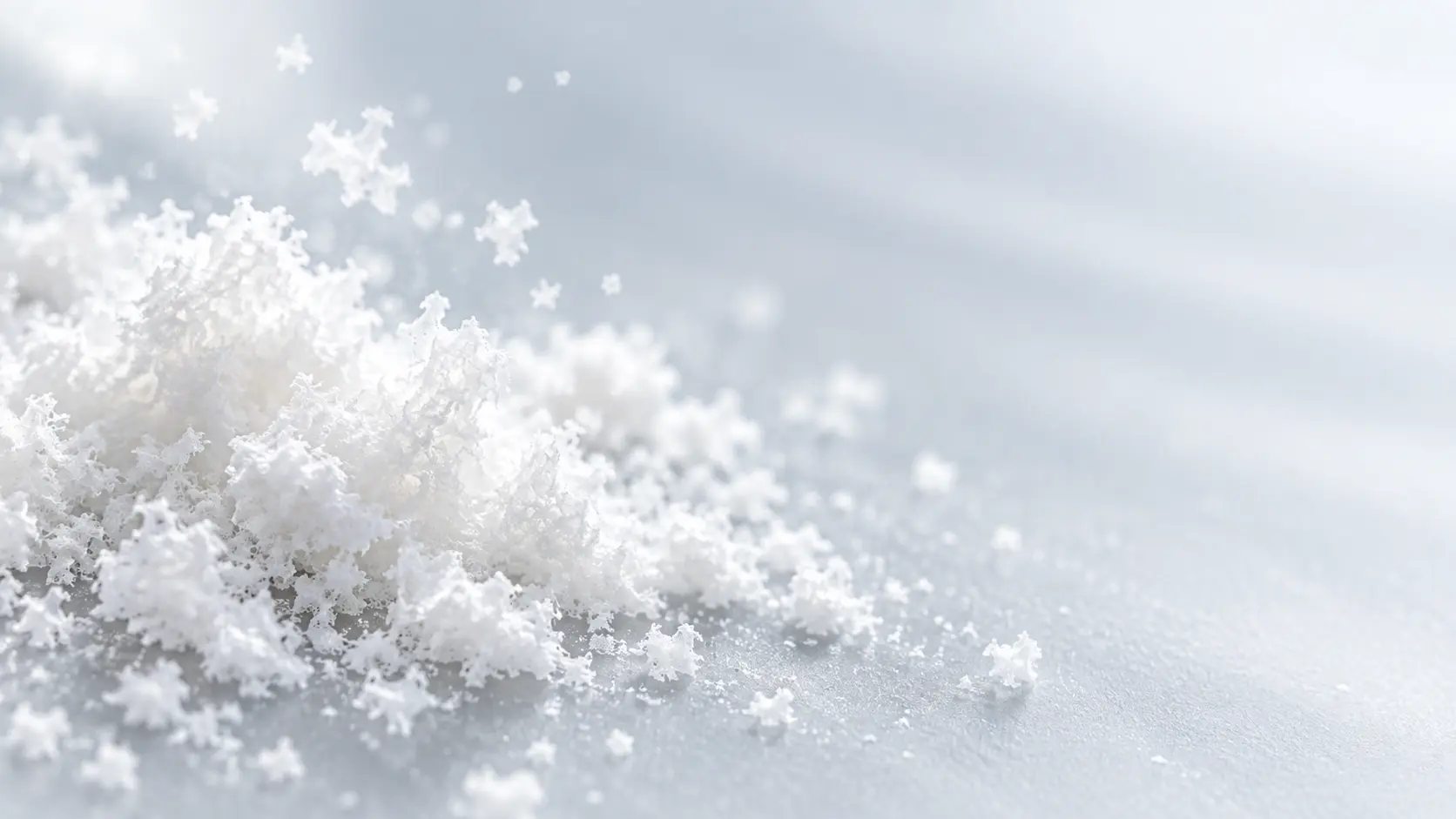

A plume of ultrafine white silica forming a flower-like shape

Technical expertise

From material insight
to repeatable production.

Our core team's twenty-plus years of process experience and our joint laboratory with Zhejiang University support quartz purification and nano silica development. Trials, analysis and production feedback guide scale-up.

View the key processes ↓
20+ years of core-team process experience2,000+ quartz resources studied59 patents across Jingui and associated group companies

Test data

Technical decisions backed by data.

Compare raw ore, process intermediates and finished materials through elemental analysis, particle-size measurement and application tests. The results guide feedstock selection, purification and milling conditions.

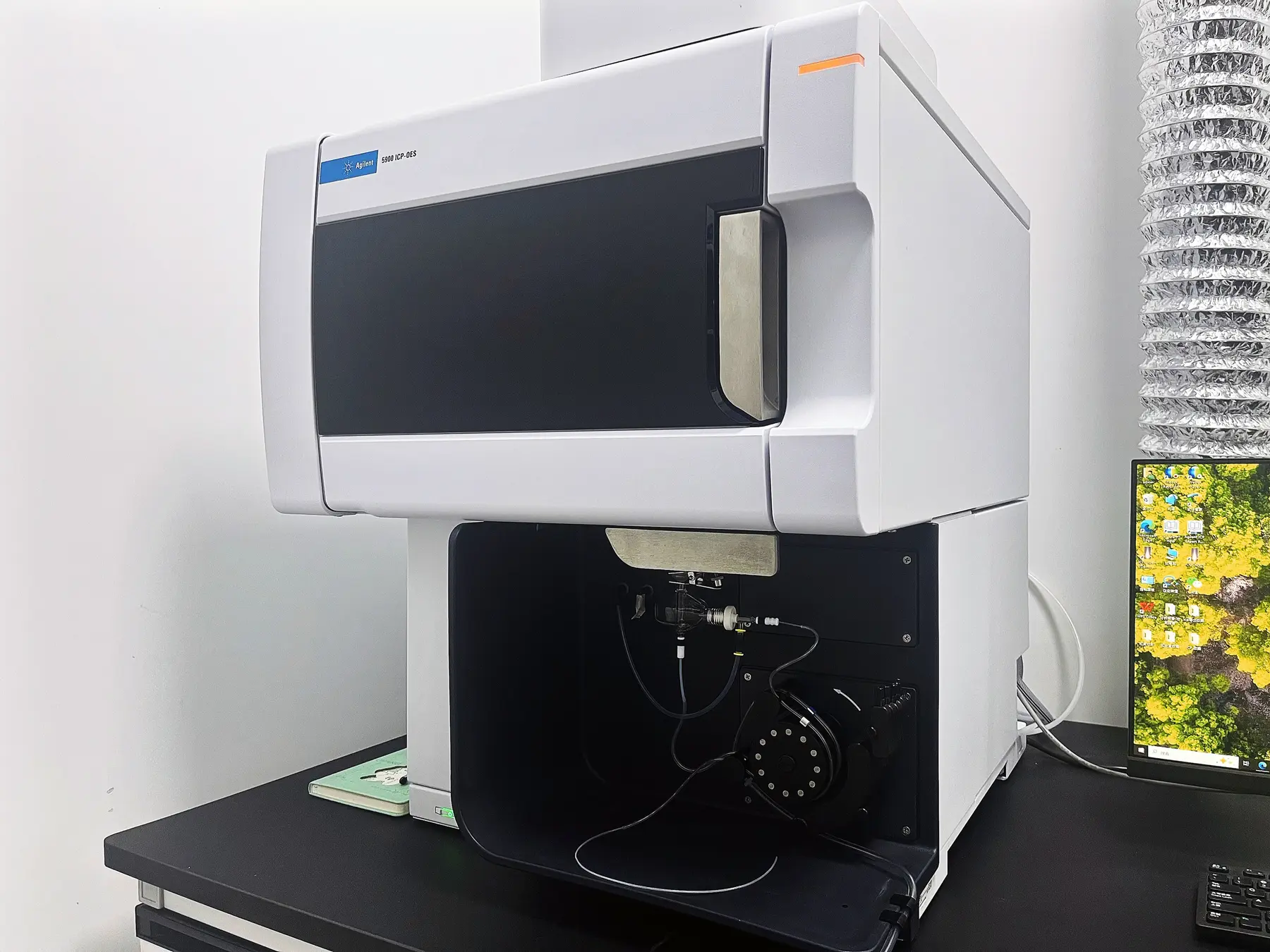
ICP-OES instrument in Jingui's analytical laboratory
ICP-OES · laboratory analytical capability
01 / Laboratory capability

Measure trace impurities to guide process control.

We use Agilent 5900 ICP-OES to measure elemental content in quartz materials. The analysis covers 13 trace elements, including Fe, Ti, Al and Li, and supports ppm-level assessment. Reporting limits depend on the element, sample matrix and test method.

13trace elementsppm levelquartz impurity evaluation
  1. 01Receive & registerRecord sample identity, batch and testing objectives.
  2. 02Representative samplingSplit and prepare a representative test portion.
  3. 03Sample preparationDry, grind or digest according to the selected method.
  4. 04Trace-element analysisMeasure the agreed impurity elements by ICP-OES.
  5. 05Review & reportReview the data and provide results with batch identification.
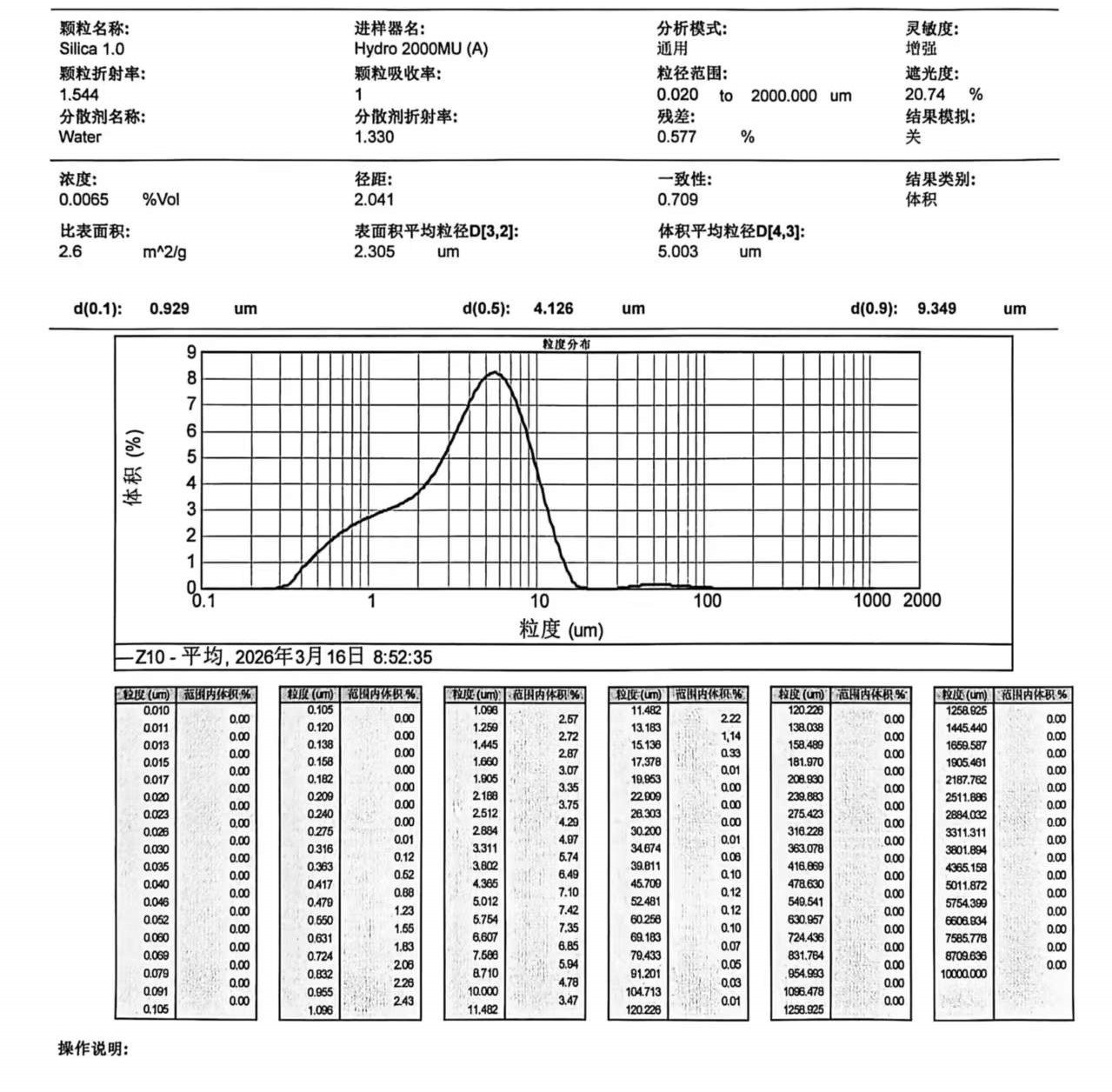
Complete Mastersizer particle-size distribution report showing D10 0.929 micrometres, D50 4.126 micrometres and D90 9.349 micrometres
Test report · Scroll to view
Complete Mastersizer particle-size distribution report showing D10 0.929 micrometres, D50 4.126 micrometres and D90 9.349 micrometres
Mastersizer · representative particle-distribution record
02 / Particle distribution

Particle size is a distribution, not a single value.

For the volume-based laser-diffraction distribution shown here, D10, D50 and D90 are the particle diameters below which 10%, 50% and 90% of the sample volume lie. The complete distribution helps assess packing, dispersion, melting behaviour and process consistency.

0.929 μmRepresentative D104.126 μmRepresentative D509.349 μmRepresentative D90

The full distribution curve guides milling and classification adjustments and checks each batch against the agreed particle-size range.

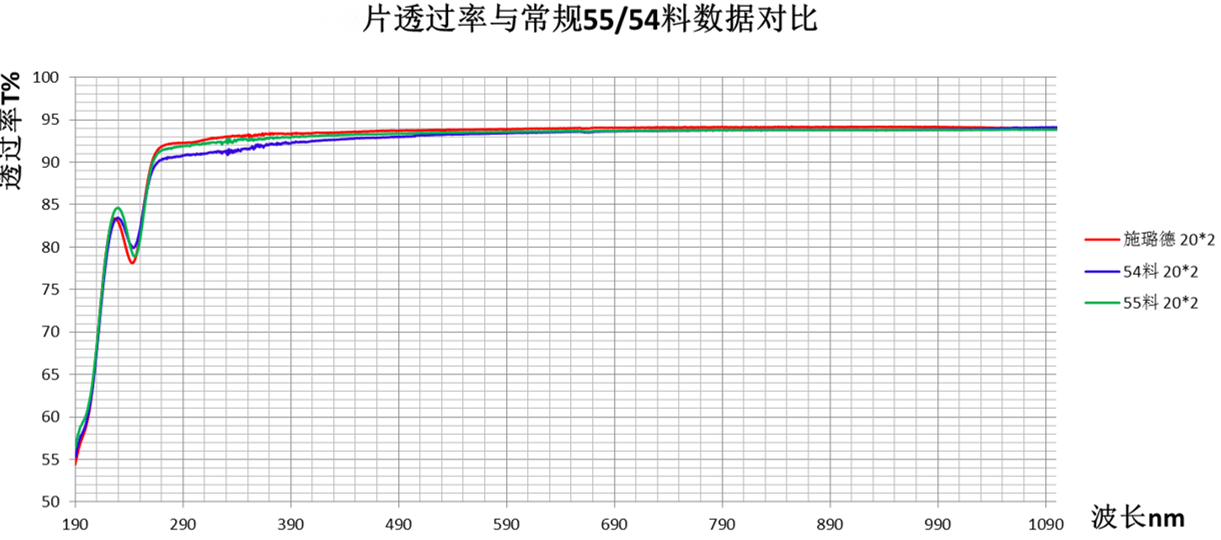
Complete transmission comparison with 190–1090 nm wavelength axis, transmittance axis and three curve legends
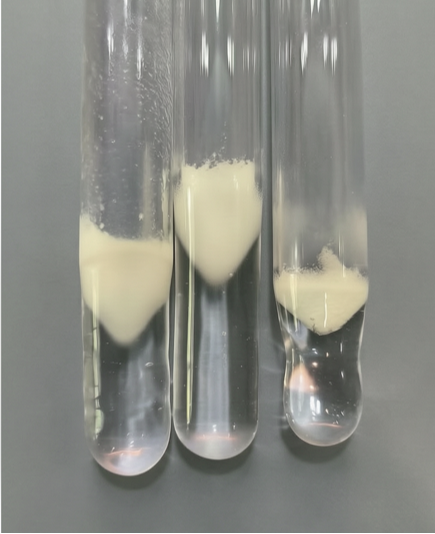
Original photograph of three quartz melting-observation samples
Transmission comparison & melting observation

Scroll horizontally to inspect the image

Complete transmission comparison with 190–1090 nm wavelength axis, transmittance axis and three curve legends
03 / Performance verification

Test material performance after processing.

Purity and particle size do not describe every aspect of performance. Transmission measurements and controlled melting tests help assess how the material behaves in subsequent processes.

  • Optical responseCompare transmission behaviour across the measured wavelength range.
  • Melting observationObserve the condition and appearance of samples after controlled heating.
  • Material comparisonAssess how manufacturing changes affect material performance.
Explore testing services ↗

From development to volume production

Quartz purification and nano silica: two distinct processes.

Quartz purification removes impurities from natural feedstock. Nano silica production uses high-temperature plasma deflagration to produce 20 nm spherical powder from high-purity quartz sand.

Jingui produces 6N crystalline quartz sand and 20 nm spherical nano silica at 99.9997% purity.
01 / Natural quartz purification6N

Ultra-pure quartz sand at production scale

We evaluate the ore, remove target impurities, prevent contamination and test each batch. These controls support repeatable ultra-pure quartz production from selected raw material.

Finished-sand test records are available on the high-purity quartz page.
02 / Plasma particle engineeringNANO

Nano silica powder for volume production

High-purity quartz sand feeds a physical process using high-temperature plasma deflagration. The resulting 20 nm spherical silica has a stated purity of 99.9997%.

Physical process · Own quartz resources · Cost advantages at scale
Milling, classification and contamination control

For suitable powder products, we combine batch or continuous ball milling with air classification and return coarse particles for regrinding. Ceramic contact surfaces, magnetic separation and batch testing help control wear-related contamination. Equipment and linings are selected for the target impurity specification.

High-purity quartz sand ↗Nano silica powder ↗
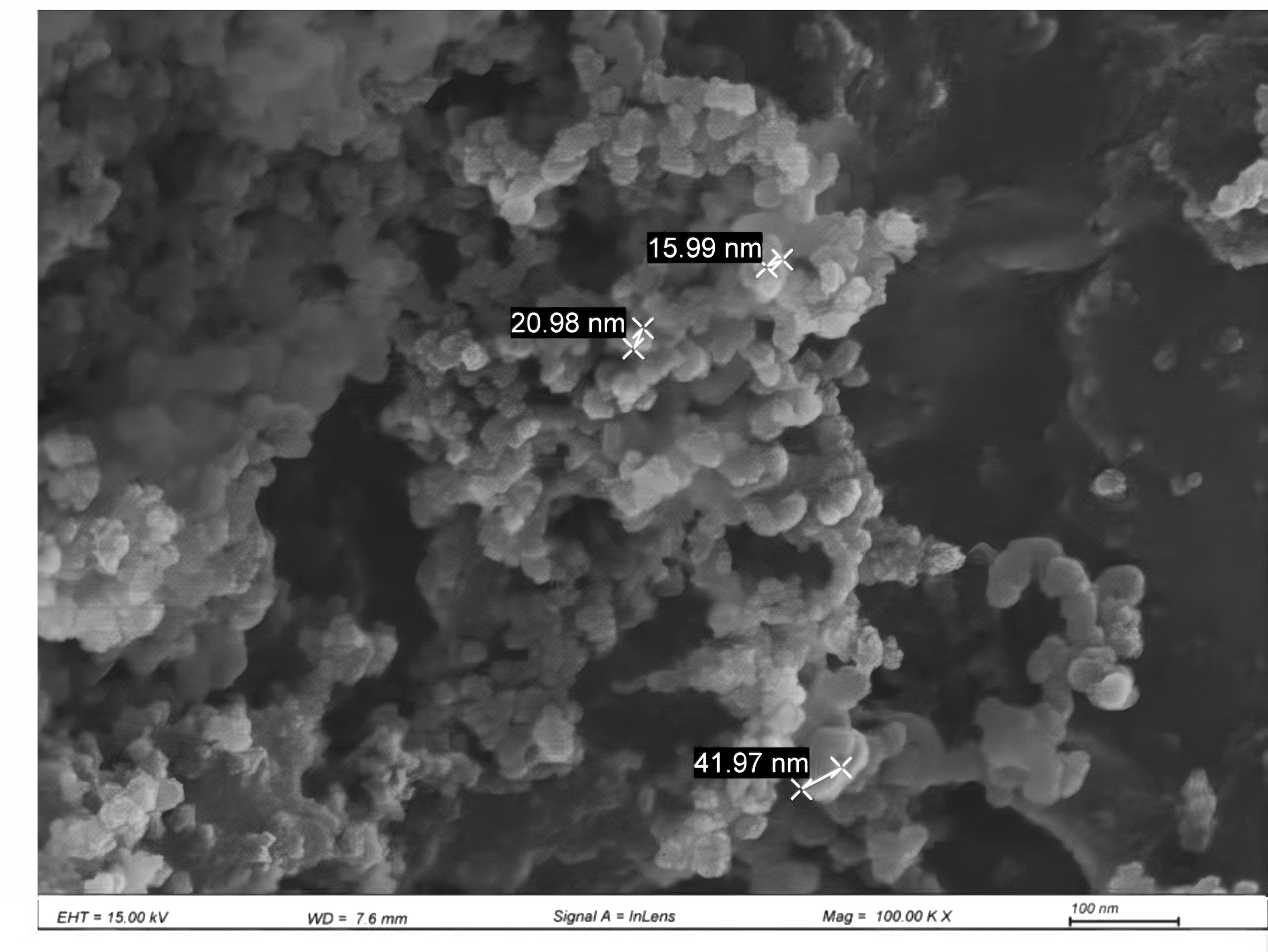
Process morphologySilica BloomSilica Bloom shows the material during high-temperature plasma deflagration. The nano silica particles are spherical and appear as loose agglomerates in the supplied SEM image.

High-temperature plasma deflagration

20 nm spherical silica at production scale.

We use high-purity sand from our own quartz resources to produce spherical nano silica at 99.9997% purity. High-temperature plasma deflagration is a physical process, with control from source to production supporting cost advantages at scale.

Company-supplied nano silica SEM image with 15.99, 20.98 and 41.97 nm annotations
SEM · Representative powder morphology
SiO₂ purity
99.9997%
Spherical particle size
20nm
BET specific surface area
204.8413m²/g
Reported particle size range: 15.9–41.97 nm. The original SEM annotations are preserved. Full elemental, crystal-structure and surface-area data are presented on the silica powder page.View complete nano silica data

Start a technical review

Share your sample, specification or process challenge.

Tell us the feedstock, required composition, particle-size range and application. We will review suitable testing and development options.

Request a technical review →