High-purity · spherical · plasma-processed nano

High-purity, spherical and nano silica.

High-purity raw materials, in-house milling and classification, and thermal or plasma processing support three silica powder families. Chemistry, particle size and morphology are matched to the application.

High-purity silica powder in a controlled material setting
Silica powder · purity, morphology and particle architecture
Product routes3 families
Representative C616 size5 μm
Trace-data coverage13 elements
Core particle equipmentJet mill + classification

The capability combination

Beyond conventional grinding.

Many powder processors can reduce particle size. Jingui's differentiation is the combination of clean raw material, particle equipment, thermal or plasma engineering and in-house measurement—allowing three demanding families to be developed within one technical platform.

Fine high-purity silica powder
01 / Chemistry + particle control

High-Purity Silica Powder

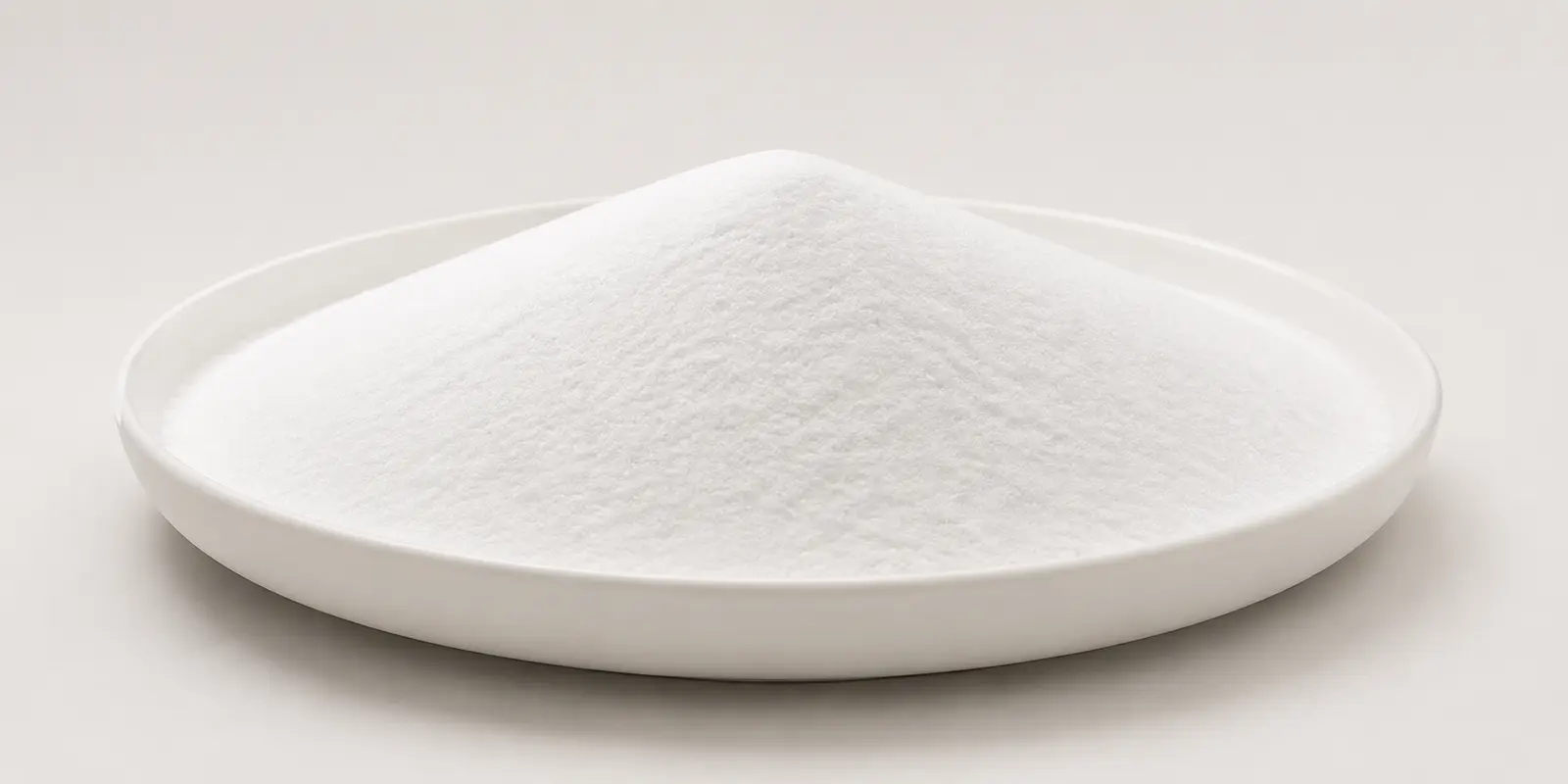
High-purity feedstock is processed through a contamination-controlled micronization and classification route. The product is qualified through the complete trace-element profile and particle distribution—not by whiteness or one nominal size alone.

Core controls · impurity profile · D10/D50/D90 · coarse-particle tail · lot consistency
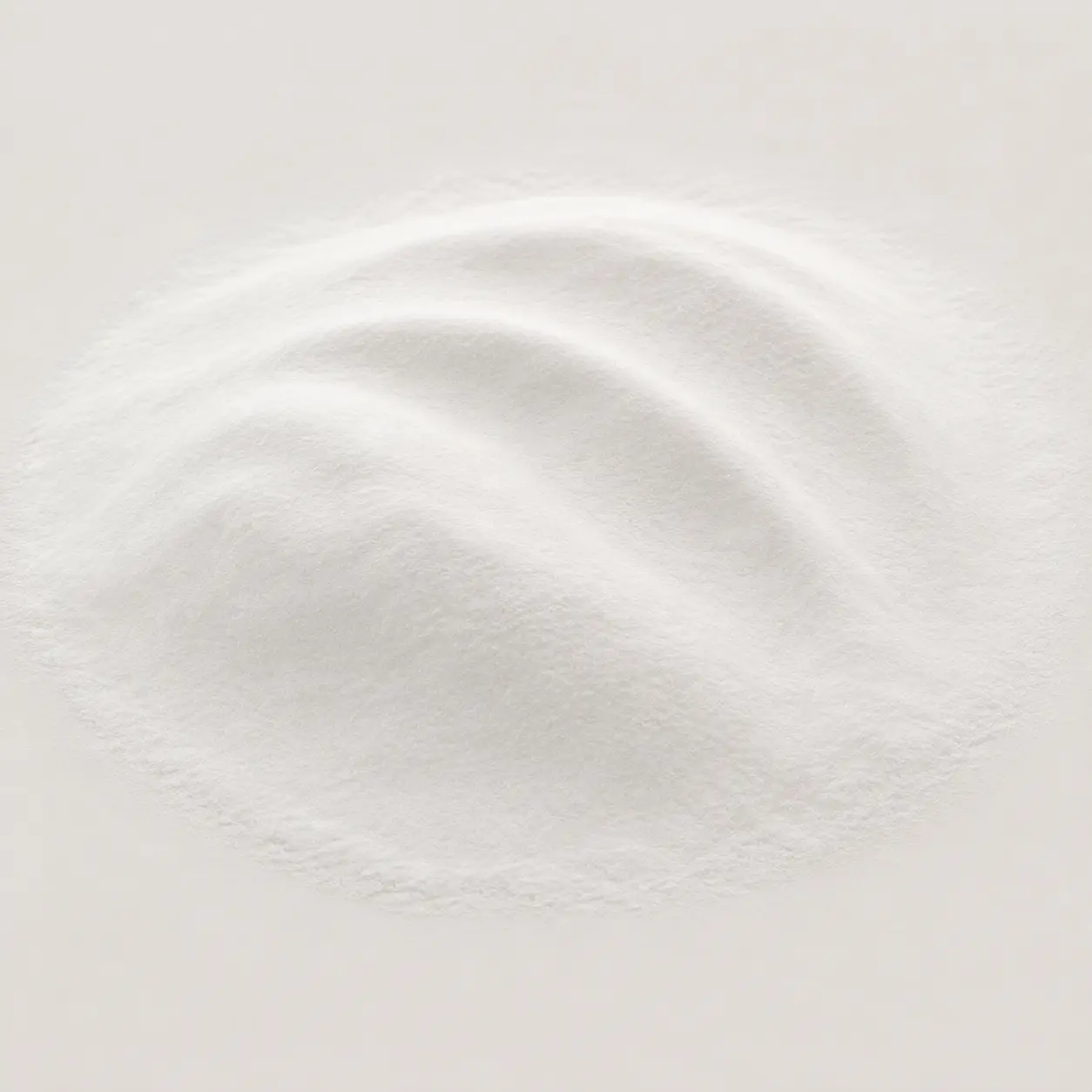
Fine free-flowing spherical silica powder
02 / Morphology + packing

Spherical Silica Powder

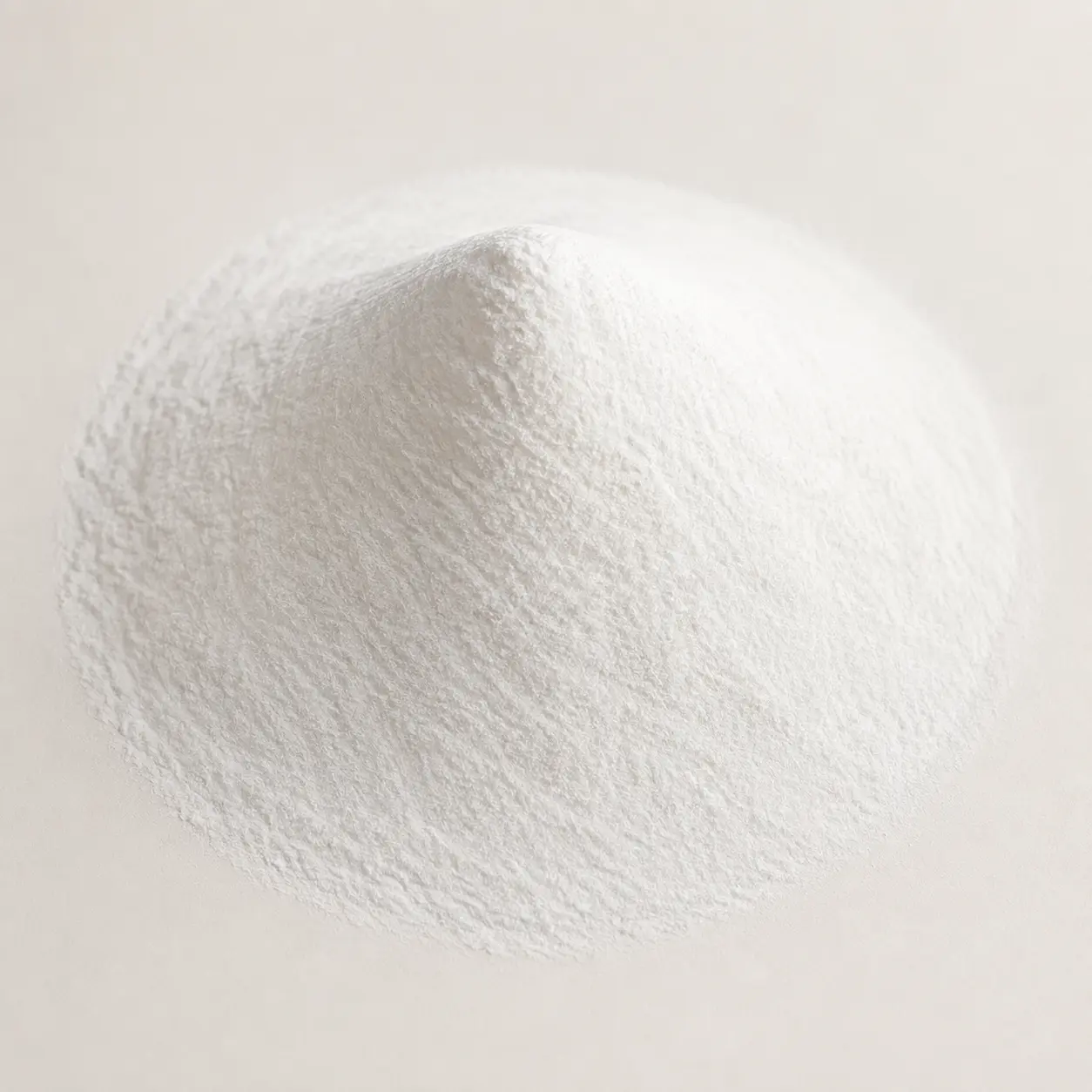
The route combines morphology engineering with particle classification. Sphericity, multimodal distribution, flow and resin-system compatibility are evaluated together for high-filled electronic packaging and copper-clad laminate formulations.

Core controls · sphericity · packing density · flow · oversize control · surface compatibility
Ultrafine plasma-processed nano silica powder
03 / Plasma + nano architecture

Plasma-Processed Nano Silica Powder

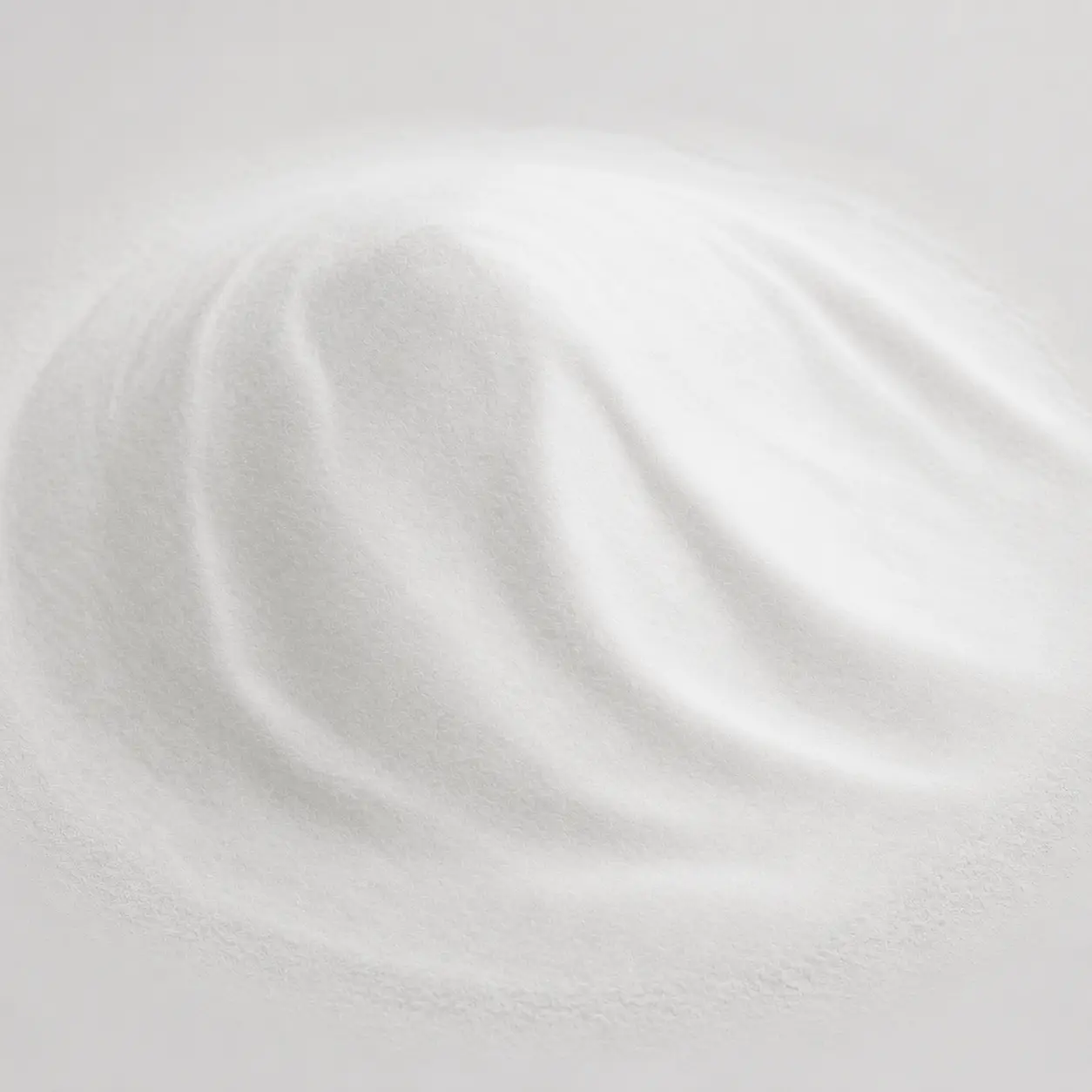
Plasma deflagration is followed by collection, deagglomeration, classification and final testing. Silica Bloom describes the intermediate morphology; the supplied product is the processed nano silica powder.

Core controls · energy input · cooling · agglomeration · dispersion · final particle architecture

Current monthly capacity

Powder engineering backed by commercial-scale output.

High-purity and spherical grades are supported by the silica-powder platform, while the plasma-processed nano route has its own dedicated production capacity.

01 / Micron-scale platform

Silica Powder

800tonnes / month

High-purity and spherical grade development

02 / Nanoscale platform

Nano Silica Powder

300tonnes / month

Plasma-processed nano material route

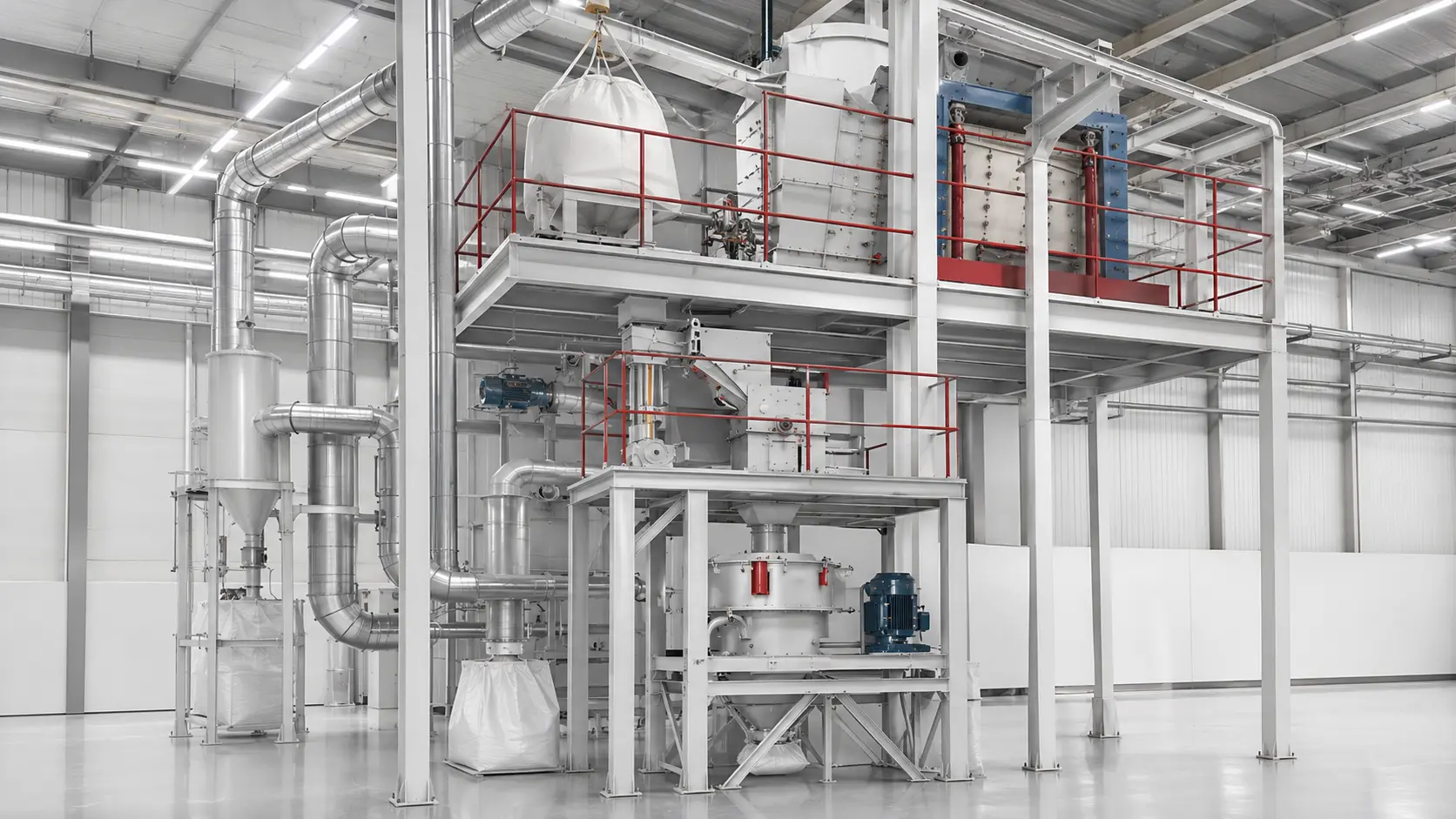
Integrated powder processing and classification equipment in a clean production hall
Particle-processing platform · final configuration follows the target material route

Technology + equipment barrier

The equipment exists to make the specification repeatable.

Jet milling and classification control micron-scale size distribution. Spherical and nano silica use the forming process suited to each material, followed by classification, impurity testing and particle verification.

  1. 01
    In-house jet milling

    Build the micron-scale particle distribution without relying only on external toll processing.

  2. 02
    Classification & deagglomeration

    Control the coarse tail, fines and usable distribution after each material-forming step.

  3. 03
    Thermal & plasma routes

    Create spherical morphology or nanoscale architecture through the route required by the product.

  4. 04
    Analytical feedback

    Use impurity and particle data to adjust the next production batch.

High-purity powder · representative data

C616, shown element by element.

The company-supplied C616 record covers a nominal 5 μm silica sample. The data is shown directly for technical screening, with its limits stated clearly instead of being converted into an unsupported purity claim.

Request the controlled record
JINGUI · MATERIAL DATA

Representative Trace-Element Profile

Silica material · Sample C616

Test report
Selected data
Sample
C616
Nominal size
5 μm
Data date
2026-05-08
Unit
mg/kg
ElementResultElementResult
K0.10Mg0.23
Na0.48Al0.64
Fe3.53Ti0.30
Li0.001Cr0.73
Cu0.03Ni0.23
Mn0Zr4.22
Ca2.39
Listed 13-element sum12.881 mg/kg
Chloride (Cl⁻)ND*

Data boundary. The 12.881 mg/kg figure is the sum of the 13 listed elements only; it is not a total-impurity value and must not be converted into a SiO₂ purity claim.

*ND means not detected in the supplied record; the reporting limit was not stated. Final acceptance follows the controlled COA or agreed lot test record.

Application-specific selection

Each family enters the customer's process for a different reason.

The same SiO₂ chemistry can serve very different functions. Final selection follows the resin, loading level, dispersion method, reliability requirement and acceptance test used downstream.

01 / High-purity

Clean chemistry first

  • Electronic material fillers
  • Precision ceramic systems
  • High-specification composites
  • Contamination-sensitive formulations
02 / Spherical

Flow and packing first

  • Epoxy moulding compounds
  • Copper-clad laminates
  • Underfill and potting systems
  • High-filled resin formulations
03 / Plasma nano

Nanoscale interaction first

  • Silicone encapsulation
  • Lithium-battery cathode modification
  • Photoresist and precision coatings
  • CMP, medical and specialty systems

Application fields describe development and qualification directions. Commercial use remains subject to grade-specific testing in the customer's actual system.

White silica bloom intermediate formed during a plasma nano-silica route

Intermediate—not final product

“Silica Bloom” proves a transformation step.

Plasma deflagration forms the flower-like intermediate known as Silica Bloom. The open, hollow morphology belongs to this process stage. The supplied product is nano silica powder after collection, deagglomeration, classification and inspection.

Controlled nano silica powder after collection and classificationFinal supplied grade

After the bloom

Controlled nano silica powder

The visible intermediate is collected, deagglomerated and classified before the final material is released.

  1. 01Collect
  2. 02Deagglomerate
  3. 03Classify + verify

Start a technical conversation

Tell us what your process needs from quartz.

Share the application, target chemistry, particle range and expected volume. Our team will respond with the next practical step.

Discuss your requirements