High-purity · spherical · plasma-processed nano

High-purity, spherical and nano silica.

We develop three silica powder families using high-purity raw materials, in-house milling and classification, and thermal or plasma processing. Composition, particle size and shape are selected for the application.

High-purity silica powder in a controlled material setting
Silica powder · Purity, shape and particle structure
Product families3 families
Spherical nano particle size20 nm
Nano silica elemental analysis39 elements
Core particle equipmentJet mill + classification

Integrated processing capabilities

From grinding to particle engineering.

Jingui combines high-purity feedstock, milling and classification equipment, thermal and plasma processing, and in-house analysis to develop three silica powder families.

Fine high-purity silica powder
01 / Chemistry + particle control

High-Purity Silica Powder

High-purity feedstock is micronised and classified with contamination control. We evaluate the full trace-element profile and particle-size distribution, as well as whiteness and nominal size.

Core controls · impurity profile · D10/D50/D90 · coarse-particle tail · lot consistency
Fine free-flowing spherical silica powder
02 / Morphology + packing

Spherical Silica Powder

Particle-shape engineering and classification are combined to meet formulation requirements. We assess sphericity, multimodal size distribution, flow and resin compatibility for highly filled electronic packaging and copper-clad laminates.

Core controls · sphericity · packing density · flow · oversize control · surface compatibility
Ultrafine plasma-processed nano silica powder
03 / Plasma + nanoscale structure

Plasma-Processed Nano Silica Powder

High-temperature plasma deflagration converts high-purity sand from our own quartz resources into 20 nm spherical silica at 99.9997% purity.

20 nm spherical silica · 99.9997% purity · Physical production process

Spherical powder · High-temperature plasma deflagration

Nano silica powder

We use high-purity sand from our own quartz resources to produce 20 nm spherical silica at 99.9997% purity through a physical process. Managing the raw material and powder production supports cost advantages at scale.

SiO₂ purity
99.9997%
Spherical particle size
20nm
BET specific surface area
204.8413m²/g
Particle size range
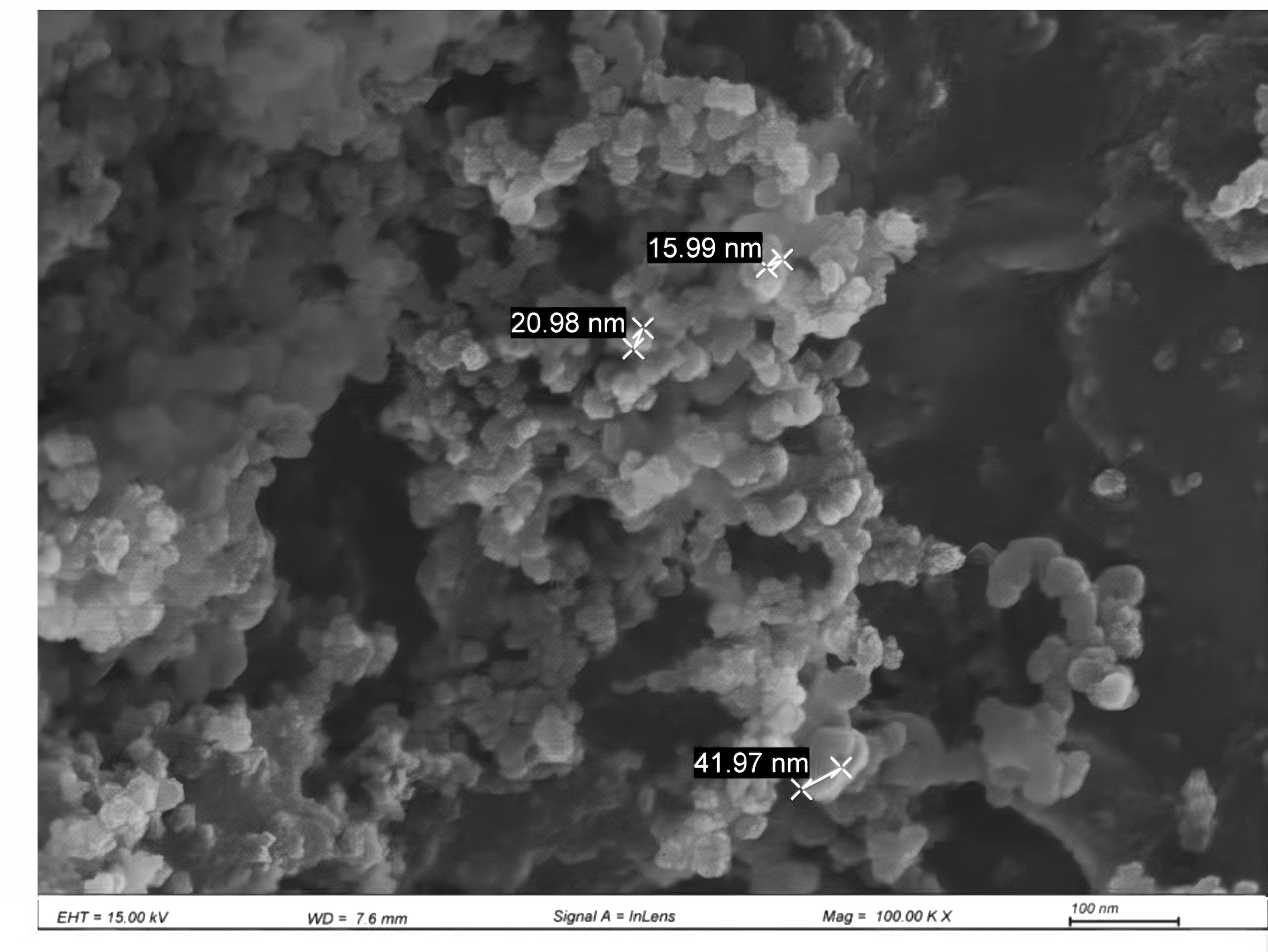
15.9–41.97nm
Company-supplied nano silica SEM image with 15.99, 20.98 and 41.97 nm annotations
SEM morphology · Original annotations preserved

From quartz resource to nano powder

A physical process fed by high-purity quartz sand

High-temperature plasma deflagration differs from conventional fumed-silica production by flame hydrolysis of silicon tetrachloride. The powder is loosely agglomerated, with a reported particle size range of 15.9–41.97 nm.

  1. 01Own quartz resources
  2. 02High-purity quartz sand
  3. 03High-temperature plasma deflagration
  4. 04Nano silica powder

Elemental assay

39 elements · ppb
ElementppbElementppb
Ag0.48K26.79
Al218.44Li4.75
As<0.10Mg22.01
Au<0.10Mn0.82
B39.18Mo0.67
Ba15.87Na38.72
Be<0.10Nb0.22
Bi<0.10Ni1.75
Ca129.36Pb<0.10
Cd<0.10Sb0.33
Ce0.15Sn1.05
Co4.73Sr0.31
Cr36.78Th<0.10
Cu13.24Ti76.34
Fe159.01Tl<0.10
Ga<0.10U<0.10
Ge0.79V0.36
Hf0.20W48.83
In<0.10Zn3.52
Zr5.56

Company-supplied representative sample data. Values, ppb units and “<0.10” markings follow the original table.

Reported structure & specific surface area

Crystal-system, unit-cell and calculated-density values are reproduced from company-supplied representative sample data.

Powder morphology
Loosely agglomerated nano powder
Crystal system
Monoclinic
Unit-cell parameters
a = 18.52400 Å · b = 5.00320 Å · c = 23.81000 Å · β = 105.820°
Unit-cell volume
2123.11 ų
Calculated density
2.260 g/cm³
Single-point specific surface area
198.8447 m²/gP/P₀ = 0.296115197
Langmuir specific surface area
320.6499 m²/g
BET specific surface area
204.8413 m²/g

Potential applications

  • Silicone encapsulation fillers
  • Lithium-battery cathode modification
  • Biomimetic robot skin
  • High-speed copper-clad laminates
  • Photoresists
  • Medical materials
  • CMP polishing slurries

Current monthly capacity

Powder technology backed by production capacity.

We develop high-purity and spherical silica grades and operate dedicated production capacity for plasma-processed nano silica.

01 / Micron-scale powders

Silica Powder

800tonnes / month

High-purity and spherical grade development

02 / Nanoscale powders

Nano Silica Powder

300tonnes / month

Plasma-processed nano silica

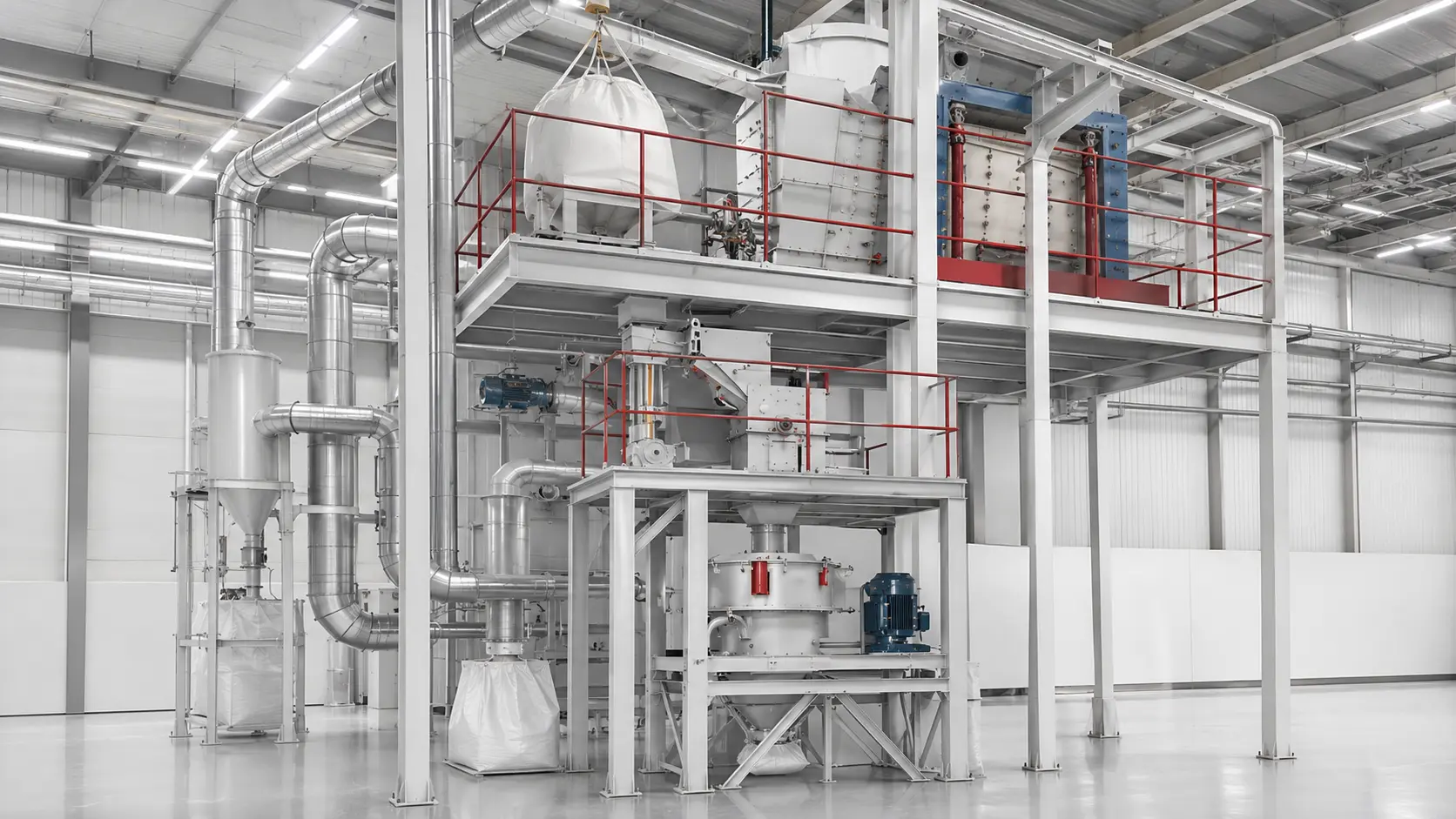
Integrated powder processing and classification equipment in a clean production hall
Particle-processing equipment · Configured for the target product

Process and equipment expertise

Equipment for consistent specifications.

Jet milling and classification control micron-scale size distribution. Spherical and nano silica use the forming process suited to each material, followed by classification, impurity testing and particle verification.

  1. 01
    In-house jet milling

    Our own milling equipment gives us direct control over micron-scale particle distributions.

  2. 02
    Classification & deagglomeration

    Manage coarse particles, fines and the usable size range after particle formation.

  3. 03
    Thermal & plasma processing

    Use product-specific processes to produce spherical particles or nanoscale structures.

  4. 04
    Analytical feedback

    Impurity and particle measurements guide adjustments to the next production batch.

Application-specific selection

Different applications need different particle properties.

The same SiO₂ composition can perform different functions. Select the grade for the resin, filler loading, dispersion method, reliability criteria and acceptance tests in your process.

01 / High-purity

Low impurity content

  • Electronic material fillers
  • Precision ceramic systems
  • High-specification composites
  • Contamination-sensitive formulations
02 / Spherical

Flow and packing first

  • Epoxy moulding compounds
  • Copper-clad laminates
  • Underfill and potting systems
  • High-filled resin formulations
03 / Plasma nano

Nanoscale particle function

  • Silicone encapsulation fillers
  • Lithium-battery cathode modification
  • Biomimetic robot skin
  • High-speed laminates, photoresists, medical materials and CMP polishing slurries

These are areas for development and qualification. Commercial use requires grade-specific testing in the customer's actual system.

White Silica Bloom illustrating the high-temperature plasma deflagration process

High-temperature plasma deflagration

Quartz sand becomes nano silica.

We use high-purity sand from our own quartz resources to produce 20 nm spherical silica at commercial scale through a physical process. Silica Bloom shows the material during processing; the supplied powder is loosely agglomerated.

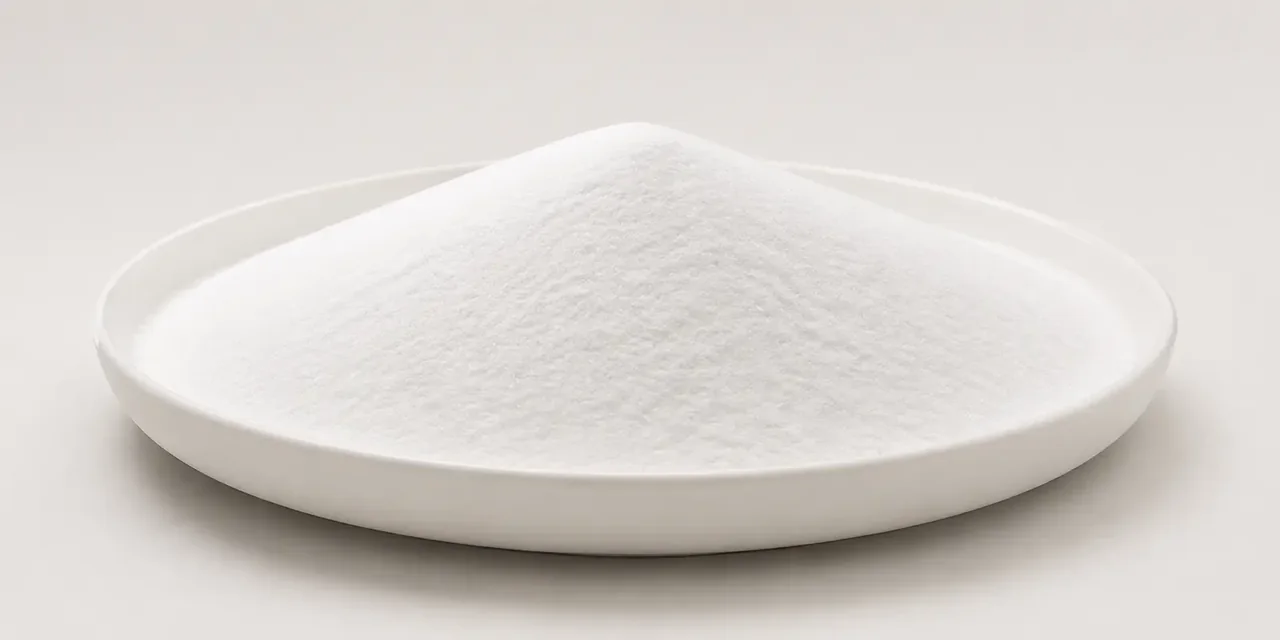
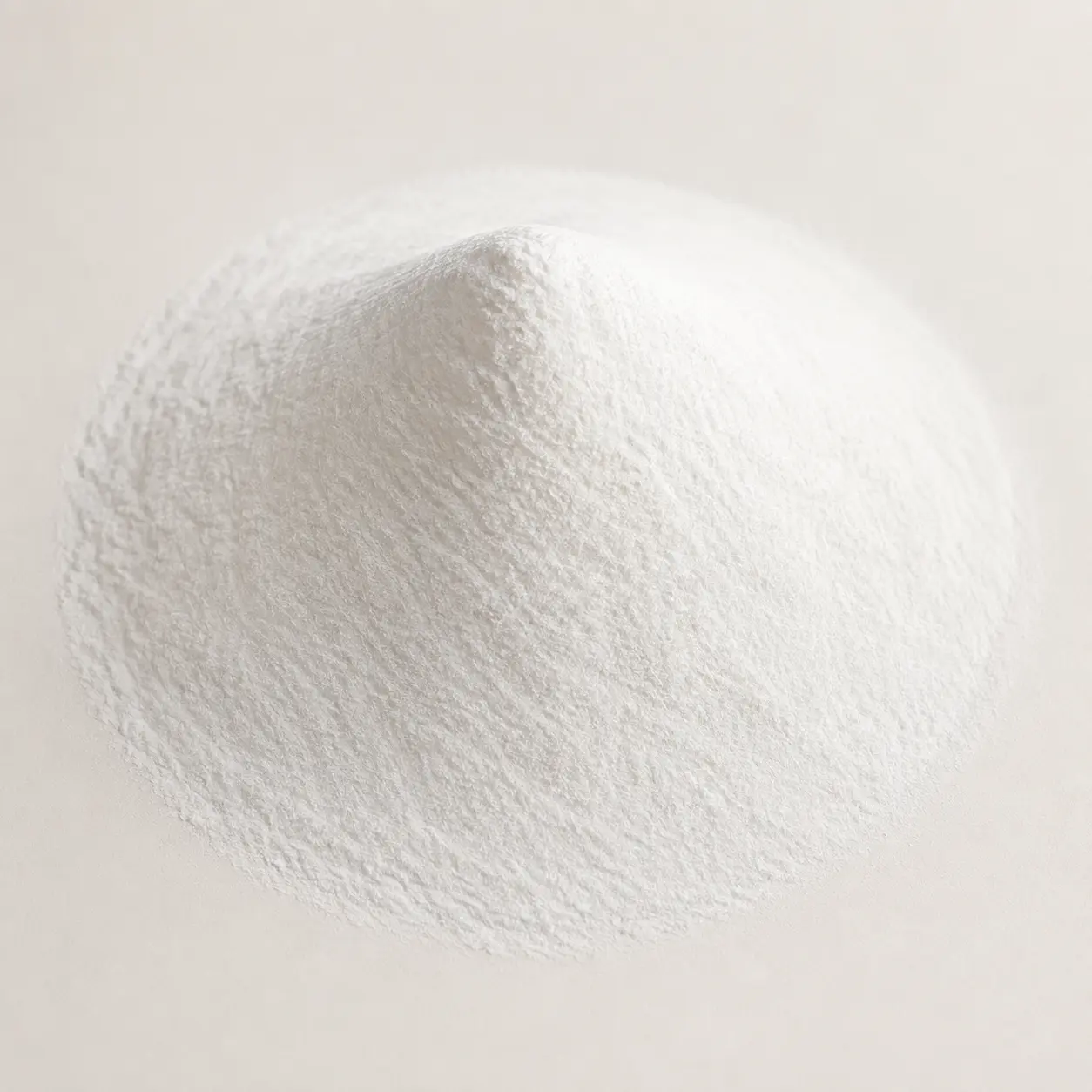
20 nm nano silica powder after collection and classificationFinal supplied grade

Spherical nano silica

20 nm nano silica powder

99.9997% purity, with a reported particle size range of 15.9–41.97 nm. Full elemental and surface-area data are available for technical review.

  1. 01Collect
  2. 02Deagglomerate
  3. 03Classify + verify

Technical enquiry

Tell us what your process needs from quartz.

Share the application, target composition, particle-size range and expected volume. Our team will review the requirements and advise on the next steps.

Discuss your requirements →